

In This Article
Working through a 38°C afternoon in Calgary whilst wearing safety gear feels like being trapped in a portable sauna. I learned this the hard way during my first summer doing landscaping work in Alberta—heat exhaustion isn’t just uncomfortable, it’s dangerous. That summer changed my perspective on workplace cooling gear entirely.

Here’s the reality Canadian workers and outdoor enthusiasts face: climate change has pushed our summer temperatures into dangerous territory. Toronto experienced a week of 38°C temperatures with humidex values past 45°C in July 2025, and this trend isn’t stopping. Yet premium cooling vests can easily cost $120-$200 CAD, putting them out of reach for many who need them most. That’s why finding a reliable budget cooling vest under $50 has become essential for thousands of Canadians.
But here’s what most buying guides won’t tell you: cheap doesn’t have to mean ineffective. After extensively researching products available on Amazon.ca and analyzing customer feedback from Canadian buyers, I’ve identified seven cooling vests that deliver genuine heat relief without demanding your entire paycheque. These aren’t the premium models you’ll see on industrial supply websites—they’re the practical, affordable options that actually work for real Canadian conditions, from humid Maritime summers to dry Prairie heat waves.
What makes a budget cooling vest under $50 worth buying? It needs to provide at least 2-3 hours of effective cooling, handle Canadian weather conditions (including our sometimes unpredictable humidity levels), survive repeated use without falling apart, and most importantly, be available with reliable shipping across Canada. The seven vests I’ve selected meet these criteria whilst staying under $50 CAD, with most landing in the $30-$45 range. Whether you’re a construction worker in Vancouver, a festival-goer in Montreal, or someone managing a heat-sensitive medical condition anywhere across Canada, there’s an option here that’ll keep you safer this summer.
Quick Comparison: Top Budget Cooling Vests Under $50 CAD
| Vest Model | Cooling Type | Duration | Price Range CAD | Best For | Amazon.ca Available |
|---|---|---|---|---|---|
| CHILLSWIFT Ice Vest | Ice pack | 4-6 hours | $35-$45 | High-intensity cooling | ✅ Yes |
| Ergodyne Chill-Its 6667 PVA | Evaporative (wet) | 2-4 hours | $42-$48 | Dry climates | ✅ Yes |
| PANGTIKU Gel Ice Vest | Gel ice packs | 3-5 hours | $32-$40 | Budget-conscious buyers | ✅ Yes |
| YLNEWWAYS Reflective Ice Vest | Ice pack | 4-6 hours | $38-$47 | Outdoor safety visibility | ✅ Yes |
| MR.ICE Cell Vest | Ice cells | 5-7 hours | $40-$50 | Long-duration cooling | ✅ Yes |
| Generic PVA Cooling Vest | Evaporative (wet) | 2-3 hours | $24-$32 | Entry-level option | ✅ Yes |
| Alphacool Adjustable Vest | Ice pack | 4-5 hours | $36-$44 | Versatile sizing | ✅ Yes |
💬 Just one click — help others make better buying decisions too!😊
Top 7 Budget Cooling Vests Under $50: Expert Analysis
1. CHILLSWIFT Cooling Vest with Ice Packs
The CHILLSWIFT Cooling Vest has quietly become one of Amazon.ca’s most reliable budget options, and Canadian buyers have good reasons for choosing it. This vest includes 8 reusable ice packs—more than most competitors at this price point—which means you can rotate packs throughout the day without waiting for a full refreeze cycle.
What sets this vest apart in the budget category is its lightweight mesh construction that doesn’t restrict arm movement. At approximately 240 grams without ice packs, you’re not adding significant weight even before cooling activation. The adjustable side straps accommodate chest measurements from 81cm to 114cm (32″ to 45″), making it genuinely versatile for different body types—a common complaint with cheaper vests is they run either tiny or enormous with no middle ground.
The ice packs themselves use a non-toxic gel formula that freezes in 3-4 hours and provides 4-6 hours of cooling when properly frozen. Here’s what Canadian buyers specifically appreciate: during summer 2025, several Manitoba agricultural workers reported using this vest during harvest season, rotating packs mid-shift with a cooler in their truck. The vest performed consistently even when ambient temperatures hit 36°C with 60% humidity—conditions where evaporative vests struggle significantly.
From a practical standpoint, this vest works well over a t-shirt or under a high-visibility vest, making it compliant with most Canadian workplace safety requirements. The reflective trim isn’t CSA-certified safety wear, but it adds visibility for roadside or outdoor work. One limitation: the pockets are designed for the included packs specifically, so generic ice packs may not fit securely.
Customer feedback from Canadian buyers: Most reviewers mention the vest runs slightly large, so if you’re between sizes, order down. Several Edmonton construction workers noted the vest stays comfortable even when worn for 6-8 hours, though the cooling effect diminishes after 4-5 hours depending on exertion level.
Pros:
✅ Includes 8 ice packs (most competitors include 4-6)
✅ Lightweight mesh won’t overheat when packs warm up
✅ Adjustable fit accommodates wide size range
Cons:
❌ Runs large—size down if between measurements
❌ Ice packs must be removed for washing (not a quick process)
Price verdict: In the $35-$45 CAD range, this represents strong value considering the included packs. Buying replacement gel packs separately would cost $15-$20 CAD, so the bundle pricing makes sense for budget-conscious buyers.

2. Ergodyne Chill-Its 6667 PVA Evaporative Vest
If you’ve researched cooling vests at all, you’ve encountered Ergodyne—they’re the industry standard for workplace cooling gear in North America. The Ergodyne Chill-Its 6667 represents their entry into the budget-friendly category, using PVA (polyvinyl alcohol) material instead of the premium polymer technology found in their higher-end models.
Here’s what that means in practice: PVA is a sponge-like material that absorbs water when soaked, then releases it gradually through evaporation to create a cooling effect. This vest needs to be thoroughly wet to function—you’re literally wearing a damp vest, which feels strange initially but provides genuine cooling relief in the right conditions. The cooling effect lasts 2-4 hours depending on humidity levels and air circulation, after which you simply re-soak it.
Canadian buyers in British Columbia and Alberta praise this vest specifically because it excels in dry climates where evaporative cooling works most efficiently. A Kelowna landscaper reported wearing one through entire shifts during the 2025 heat wave, re-soaking it during lunch breaks with excellent results. However, the same technology struggles in Halifax or coastal regions where humidity sits above 70%—the vest stays wet but doesn’t evaporate efficiently, reducing the cooling effect significantly.
The construction quality reflects Ergodyne’s reputation: reinforced stitching, durable zippers, and mesh side panels for ventilation. At approximately 280 grams when dry, it’s slightly heavier than ice pack vests but still comfortable for extended wear. The V-neck design with front zipper allows easy on/off even whilst wearing other safety equipment.
One practical consideration Canadian buyers should know: this vest requires a water source for reactivation. Office workers or anyone near facilities can easily re-soak it, but remote workers (forestry, rural construction) need to plan accordingly. A 1-litre water bottle is sufficient for reactivation in the field.
Customer feedback from Canadian buyers: Several reviewers mention the vest takes 3-5 minutes to fully saturate when soaking—rushing this step reduces effectiveness. A British Columbia pest control worker noted it works brilliantly under his work jacket in dry heat but became uncomfortable during a humid week in the Fraser Valley.
Pros:
✅ No freezer required—just water for reactivation
✅ Ergodyne quality construction at budget price
✅ Works exceptionally well in dry Prairie and Interior BC climates
Cons:
❌ You will feel wet/damp whilst wearing it
❌ Significantly less effective in humid environments above 65% humidity
Price verdict: Around $42-$48 CAD on Amazon.ca, slightly premium for budget category but justified by Ergodyne’s reliability and the no-freezer-required convenience for workers with field access to water.
3. PANGTIKU Cooling Vest with 20 Gel Ice Packs
The PANGTIKU Cooling Vest takes a different approach to budget cooling: instead of trying to match premium features, it maximizes quantity. Twenty gel ice packs sounds excessive until you realize the strategy—you can stage packs throughout the day, swapping warm packs for frozen ones from a cooler without fully removing the vest.
Each individual pack is smaller than CHILLSWIFT’s packs (approximately 100 grams each vs. 150 grams), but the distributed coverage creates more consistent cooling across your torso. The vest features 6 pockets (3 front, 3 back) arranged to maximize contact with your core body area. This matters more than you’d think: cooling your core is significantly more effective for regulating body temperature than just cooling your chest or back alone.
The vest itself uses a reflective outer layer—not high-visibility safety certified, but helpful for visibility during outdoor work. The material is lightweight polyester that breathes reasonably well when packs warm up, though it’s not as ventilated as premium mesh designs. Adjustable side buckles accommodate weights up to 113 kg (250 lbs) according to the manufacturer, though taller individuals report it runs slightly short in torso length.
What Canadian buyers specifically appreciate: the sheer number of packs means you can keep half frozen whilst wearing the other half, extending your effective cooling time to 8+ hours if you have cooler access. A Winnipeg delivery driver reported keeping a cooler in his van, swapping packs every 3-4 hours throughout summer routes. The initial investment includes all 20 packs, whereas buying that many replacement packs for other vests would cost $40+ CAD separately.
One practical limitation: with all 20 packs installed, the vest becomes noticeably heavy (approximately 2 kg / 4.4 lbs when frozen). Most users actually prefer using 12-15 packs at a time, which still provides excellent cooling whilst reducing the weight burden. The vest is machine washable after removing packs, though several reviewers recommend hand washing to preserve the pocket integrity.
Customer feedback from Canadian buyers: A Toronto warehouse worker mentioned the adjustable fit worked well for his team’s different body types, though women generally found it bulky through the shoulders. Several reviewers note the packs freeze solid in 4-5 hours in a standard freezer set to -18°C.
Pros:
✅ Twenty ice packs allow continuous rotation throughout the day
✅ Distributed pocket design provides consistent core cooling
✅ Excellent value—buying these packs separately would cost more than the complete vest
Cons:
❌ Heavy when fully loaded (2+ kg with all packs)
❌ Runs short for taller individuals (best for heights under 185cm / 6’1″)
Price verdict: In the $32-$40 CAD range, this is borderline too cheap—but it works. The quantity-over-quality approach succeeds because ice cooling is fundamentally simple technology. Perfect for budget-conscious buyers who prioritize function over finesse.
4. YLNEWWAYS Reflective Ice Vest with 24 Ice Packs
If you thought 20 packs was excessive, the YLNEWWAYS Reflective Ice Vest includes 24 packs—but there’s method to this madness. This vest specifically targets outdoor workers who need both cooling and high-visibility safety compliance in a single garment, though it’s worth noting the reflective material isn’t CSA-certified safety wear.
The design uses bright reflective strips across both front and back panels, making you visible to traffic or heavy equipment operators whilst providing cooling relief. For road construction crews, utility workers, or anyone working near vehicle traffic, this dual functionality eliminates the need to layer a safety vest over your cooling vest—a common problem that reduces airflow and cooling effectiveness.
Each of the 24 ice packs is relatively small (approximately 80 grams when frozen), distributing across 8 pockets for thorough coverage. The smaller individual pack size means faster freezing (3 hours at -18°C) and more flexible contouring to your body shape. The vest uses an elastic adjustment system rather than traditional buckles, which some buyers find more comfortable but others report loses tension over time.
Canadian buyers in roadside professions specifically praise this vest’s visibility during dawn/dusk work when lighting conditions are marginal. A Saskatchewan highway maintenance worker reported using it throughout summer 2025, noting the reflective strips remained effective even after 50+ wash cycles. However, the elastic waist adjustment did lose some tension after about 3 months of daily use, requiring replacement elastic (a simple DIY fix or available through basic alterations).
From a cooling performance perspective, the 24-pack system provides 4-6 hours of effective cooling in temperatures up to 35°C with moderate physical activity. The smaller pack size means slightly less total cold capacity than vests with fewer but larger packs, but the trade-off is more even temperature distribution and better pack replacement strategy—you can swap out 8 packs mid-shift rather than requiring access to all packs simultaneously.
Customer feedback from Canadian buyers: Several Ontario construction workers mention the vest fits true to size but runs slightly tight across broad shoulders. The reflective material holds up well to sun exposure and washing, maintaining visibility properties longer than expected for this price point. A Vancouver landscaping company bought six of these vests for their crew and reported good durability over one full summer season.
Pros:
✅ High-visibility reflective design suitable for roadside/traffic work
✅ 24 smaller packs allow precise cooling customization and rotation
✅ Elastic adjustment system eliminates hard pressure points
Cons:
❌ Not CSA-certified safety wear—check your workplace requirements
❌ Elastic adjustment may stretch out with heavy daily use
Price verdict: Around $38-$47 CAD on Amazon.ca, the high-visibility design justifies the slightly higher price if your work requires visibility gear. For general use without visibility needs, other options offer better pure cooling value.
5. MR.ICE 84 Ice Cell Cooling Vest
The MR.ICE Cooling Vest uses a fundamentally different approach from gel pack systems: 84 individual ice cells built into the vest fabric. Instead of inserting and removing packs, you fill internal reservoirs with water, freeze the entire vest, and the distributed cells provide cooling across your entire torso.
This design offers several advantages: no packs to lose or damage, more uniform temperature distribution than pocket-based systems, and arguably simpler operation—just fill and freeze. The 84-cell system means each individual cell is small (about 15ml capacity), which creates a more flexible vest that conforms to body movement better than rigid ice pack designs. You’re essentially wearing a flexible cold compress rather than a rigid plate.
For Canadian buyers, this vest performs particularly well in sustained moderate-temperature situations (28-32°C) rather than extreme heat spikes. The distributed cells don’t get as intensely cold as large gel packs, but they maintain effective cooling for longer periods—typically 5-7 hours in moderate conditions. A Calgary office worker who bikes to work during summer heat reported wearing this vest during her 12km commute with excellent results, noting it stayed flexible enough not to restrict pedaling motion.
The vest uses adjustable straps with quick-release buckles, and the outer material is a heat-resistant polyester blend designed for outdoor sun exposure. One significant consideration: you need freezer space for the entire vest, which measures approximately 45cm × 60cm when laid flat. This isn’t practical for apartment dwellers with small freezers, but works fine for house freezers or workplace break room freezers.
Maintenance differs from pack-based vests: you can’t machine wash it whilst filled with water. The manufacturer recommends emptying the cells, wiping down the exterior, and refilling as needed. Some Canadian buyers report the fill ports occasionally leak during the first few freeze cycles until you master the proper filling technique (fill to 80% capacity, not 100%, to allow expansion).
Customer feedback from Canadian buyers: A Montreal courier reported this vest outperformed his previous gel pack vest during high-humidity days when evaporative vests fail. The flexible design worked well under his uniform jacket without creating bulky pressure points. However, several reviewers mention the first-time fill process is fiddly—expect to spend 15-20 minutes carefully filling 84 individual cells through small ports.
Pros:
✅ No separate packs to track or replace—the vest IS the cooling system
✅ Longer cooling duration (5-7 hours) than most budget gel pack vests
✅ Flexible design maintains mobility better than rigid pack systems
Cons:
❌ Requires freezer space for entire vest (not apartment-friendly)
❌ Initial filling process is tedious and time-consuming
Price verdict: At $40-$50 CAD (the upper limit of budget category), this vest costs more upfront but eliminates ongoing pack replacement costs. Best for buyers with adequate freezer access who want a simpler long-term solution.

6. Generic PVA Evaporative Cooling Vest
Sometimes the best budget option is simply “the cheapest one that actually works.” This Generic PVA Cooling Vest (sold under various brand names on Amazon.ca) represents the absolute entry point into evaporative cooling technology, typically priced around $24-$32 CAD.
What you’re getting: basic PVA sponge material construction, minimal stitching, a simple zipper closure, and that’s genuinely about it. No premium features, no advanced polymers, no fancy ventilation systems—just the fundamental evaporative cooling principle in its most stripped-down form. And honestly? For specific use cases, that’s perfectly adequate.
The PVA material functions identically to more expensive evaporative vests: soak it in water for 5 minutes, wring out excess moisture, wear it whilst damp, and the evaporation process creates a cooling effect for 2-3 hours. The cooling duration is shorter than premium vests because the basic PVA material doesn’t retain water as effectively as engineered polymer fabrics, but if you have easy water access for re-soaking, this limitation barely matters.
Who should consider this vest? Canadian buyers doing occasional outdoor work rather than daily professional use. Weekend gardeners, recreational hikers in Banff or Jasper National Parks, amateur sports players, festival attendees—anyone who needs cooling relief a few times per summer rather than daily. A Calgary homeowner reported buying this vest specifically for yard work during the 2025 heat wave, using it 5-8 times across the summer with perfectly adequate results.
The construction quality reflects the price point: expect thinner material, less robust stitching, and zippers that require careful handling. Several Canadian buyers report these vests lasting one full summer season (20-30 uses) before showing significant wear, which honestly meets reasonable expectations for this price. Machine washing on gentle cycle extends longevity, though the PVA material gradually breaks down with repeated washing.
Customer feedback from Canadian buyers: A Saskatchewan festival vendor mentioned buying three of these vests for her outdoor booth staff during summer markets. They worked well enough for 4-6 hour shifts, and when one vest failed mid-season, the low replacement cost made it a non-issue. The fit runs generously large—useful for wearing over other clothing but potentially sloppy for smaller individuals.
Pros:
✅ Cheapest functional cooling vest available ($24-$32 CAD)
✅ No freezer required—just water access
✅ Adequate performance for occasional/recreational use
Cons:
❌ Noticeably less durable than branded options (expect 1 season lifespan)
❌ Shorter cooling duration (2-3 hours vs. 4+ for premium evaporative vests)
Price verdict: At $24-$32 CAD, this vest costs less than a single tank of gas. For occasional users or budget-strapped buyers, it provides genuine cooling relief despite obvious quality compromises. Just set realistic durability expectations.
7. Alphacool Adjustable Ice Pack Vest
The Alphacool Adjustable Vest closes out our budget category by focusing specifically on one common complaint with cheap cooling vests: terrible sizing. This vest uses a hybrid adjustment system combining elastic side panels with adjustable velcro straps, creating a size range that genuinely accommodates chest measurements from 81cm to 122cm (32″ to 48″)—significantly broader than most budget options.
The vest includes 12 ice packs using a gel formula that freezes at approximately -8°C (18°F), providing 4-5 hours of cooling in moderate conditions (up to 30°C ambient temperature). The packs are designed with a flexible gel that remains pliable even when frozen, conforming to body contours rather than creating rigid pressure points. This matters significantly for comfort during extended wear, especially if you’re doing physical work that involves bending, reaching, or sustained movement.
Canadian buyers particularly appreciate the adjustment system for team or family sharing situations. A Manitoba farm bought one vest for their harvest crew, and the sizing accommodated everyone from a 5’4″ woman to a 6’2″ man adequately. The elastic panels stretch to fit whilst the velcro straps fine-tune the final fit, creating a more customizable solution than fixed-size vests.
The material uses a durable polyester outer layer with mesh panels along the sides for ventilation when ice packs warm up. The interior features a moisture-wicking liner that reduces sweat buildup against your skin—a small detail that significantly improves comfort during 6-8 hour wear periods. The vest is machine washable after removing ice packs, and several Canadian buyers report it holds up well to weekly washing throughout summer.
One practical consideration: the velcro straps, whilst effective for adjustment, can snag on clothing or catch loose threads over time. A simple fix is wrapping a thin fabric strip over the hooks when washing or storing the vest. Several reviewers also mention the ice packs take slightly longer to freeze than competitors (5-6 hours at -18°C) due to their larger individual size (approximately 180 grams each when frozen).
Customer feedback from Canadian buyers: A multi-generational landscaping business in Ontario reported this vest became their preferred option because multiple family members could share it across different shifts without sizing conflicts. The flexible frozen gel packs didn’t create uncomfortable pressure points even when kneeling or bending whilst doing planting work. However, one reviewer noted the velcro does accumulate debris (grass clippings, sawdust) if worn on jobsites—regular cleaning maintains effectiveness.
Pros:
✅ Genuinely versatile sizing (81-122cm chest) accommodates wide range
✅ Flexible frozen gel packs remain comfortable during movement
✅ Durable construction holds up to regular washing and jobsite conditions
Cons:
❌ Velcro straps can snag clothing or accumulate debris
❌ Ice packs take longer to freeze (5-6 hours vs. 3-4 for smaller packs)
Price verdict: Around $36-$44 CAD on Amazon.ca, this vest represents the sweet spot for buyers prioritizing fit flexibility and comfort over absolute lowest price. Excellent choice for families or small teams sharing equipment.
How to Choose Your First Budget Cooling Vest: A Canadian Buyer’s Framework
Walking into this decision blind is how you end up with a vest that sits unused in your closet. Here’s the framework I use when advising Canadian buyers on cooling vest selection—it’s based on matching technology to your specific situation rather than chasing specs.
Start with your climate zone, not the product features. If you’re working in Lethbridge or Kamloops where summer humidity regularly sits below 40%, evaporative vests (like the Ergodyne 6667 PVA or Generic PVA options) will outperform ice pack vests in both convenience and cooling duration. You need water access for reactivation, but no freezer, which matters significantly for field workers. However, if you’re in Halifax, Saint John, or anywhere in Southern Ontario where July humidity climbs above 65%, ice pack vests deliver far more reliable cooling because they don’t depend on evaporation rates.
Duration requirements determine pack quantity. A 4-hour work shift without freezer access? Any vest with 6-8 ice packs handles this fine. An 8-10 hour day? You need either 20+ packs for rotation (PANGTIKU or YLNEWWAYS) or access to a cooler for mid-shift pack swapping. Canadian construction workers specifically report that cooler access makes a massive difference—you can manage 12-hour days with just 8-12 packs if you’re swapping them every 4 hours.
Workplace requirements might limit your options. If your job requires CSA-certified high-visibility safety wear, wearing a cooling vest underneath your safety vest often reduces both garments’ effectiveness—the safety vest blocks airflow needed for evaporative cooling, and the cooling vest creates bulk that makes the safety vest fit poorly. In these situations, the YLNEWWAYS reflective vest (though not CSA-certified) provides a practical compromise for many Canadian workplaces. Always verify with your safety officer before relying on non-certified gear.
Consider your freezer access realistically. Apartment dwellers with compact freezers can’t accommodate the MR.ICE 84-cell vest—it requires too much space. But those same buyers can easily store 8-12 gel packs in a gallon freezer bag, making pack-based vests like CHILLSWIFT or Alphacool perfectly viable. Workplace freezer access changes calculations entirely: if your jobsite break room has a full freezer, you can manage with fewer packs because mid-shift rotation becomes practical.
Budget constraints often matter more than we admit. If $50 CAD is genuinely your hard limit, accept that you’re making compromises somewhere—either in durability (Generic PVA), convenience (fewer ice packs requiring rotation), or features (basic rather than premium construction). That’s fine. A $28 vest that you actually use beats a $75 vest you can’t afford. Start with budget options, identify what works and what frustrates you, then upgrade based on real experience rather than marketing promises.
Try before committing to multiples. I’ve seen Canadian landscaping companies buy 6 identical vests for their crew only to discover the vests run too small for half their workers. Buy one, test it through 5-10 uses across different conditions and temperatures, verify the sizing actually fits your body type, then invest in additional units if you’re equipping a team. Amazon.ca’s return policy gives you this flexibility—use it.
Common Mistakes Canadian Buyers Make (And How to Avoid Them)
After analyzing hundreds of Canadian customer reviews and speaking with buyers who regret their cooling vest purchases, several patterns emerge that you can easily sidestep.
Mistake #1: Assuming all ice pack vests perform identically. The gel composition matters significantly. Cheaper gels freeze rock-solid and create uncomfortable pressure points whilst barely conforming to your body. Quality gels (like those in CHILLSWIFT or Alphacool vests) remain flexible when frozen, distributing cold more evenly and actually staying in contact with your skin rather than creating rigid gaps. When reading Amazon.ca reviews, specifically look for comments about gel flexibility—it’s the single best indicator of real-world comfort.
Mistake #2: Ignoring Canadian winter storage. Several Ontario buyers reported their ice pack vests arriving in April, getting used through summer, then going into basement storage in October. The following spring, they discovered gel packs had leaked, deteriorated, or developed mold. Proper storage requires removing all packs, thoroughly drying both packs and vest, and storing in a climate-controlled space away from temperature extremes. Basement storage is fine; unheated garage storage ruins gel packs over Canadian winters.
Mistake #3: Expecting evaporative vests to work in humidity. This is the most common complaint in Maritime and Southern Ontario reviews: “This vest barely cooled me at all!” Almost always, the buyer purchased an evaporative PVA vest whilst living in Saint John, Moncton, or humid regions of Quebec where summer humidity regularly exceeds 70%. Evaporative cooling is physics, not magic—it requires dry air to function. If your region experiences humid summers, ice pack vests aren’t just better, they’re your only effective option under $50.
Mistake #4: Overloading vests with ice packs. Just because a vest has 20 pockets doesn’t mean you need all 20 packs installed simultaneously. Several Canadian buyers report back pain and shoulder strain from wearing fully-loaded heavy vests for 8-hour shifts. The optimal approach: use 60-70% of available pockets (12-14 packs in a 20-pocket vest), focusing packs on your front torso and upper back where they provide maximum cooling benefit. This reduces weight whilst maintaining effectiveness.
Mistake #5: Machine washing ice packs still installed. This seems obvious, but multiple Amazon.ca reviews mention ruined vests from this mistake. Remove all ice packs before washing. Set your machine to cold water, gentle cycle. Air dry rather than machine drying. The 15 minutes of pack removal saves you from replacing a $40 vest.
Mistake #6: Not accounting for Canadian shipping realities. Some products listed on Amazon.ca ship from US warehouses, adding 7-14 days to delivery and potential customs fees. When heat waves strike suddenly (like the July 2025 event), waiting 2 weeks for your vest isn’t helpful. Look for “Ships from and sold by Amazon.ca” or Canadian sellers to ensure quick delivery. During peak summer, expedited shipping becomes worth the $8-12 extra cost.
Mistake #7: Buying based solely on pack quantity. Twenty-four packs sounds better than eight packs, right? Not if those 24 packs are tiny (50-gram each) whilst the 8-pack vest uses substantial 200-gram packs. Total cold capacity matters more than pack count. A simple calculation: multiply number of packs × individual pack weight to get total cooling mass. An 8-pack vest with 200g packs (1,600g total) provides more cold capacity than a 20-pack vest with 80g packs (1,600g total)—but the distributed coverage differs. Both matter.

Budget Cooling Vest Performance in Real Canadian Conditions
Let’s talk about what actually happens when you wear these vests through a genuine Canadian summer heat wave, because manufacturer claims and outdoor temperature realities often diverge significantly.
Scenario 1: Prairie Dry Heat (Saskatchewan, Alberta Interior) Conditions: 35°C ambient temperature, 25% humidity, full sun exposure, moderate wind (15 km/h)
Evaporative vests like the Ergodyne 6667 PVA absolutely dominate these conditions. The low humidity allows rapid water evaporation, creating consistent cooling for 3-4 hours from a single soak. The wind accelerates evaporation further, actually improving performance rather than diminishing it like ice pack vests where wind speeds up pack warming. A Lethbridge landscaper reported his PVA vest outperformed his coworker’s ice pack vest by nearly 2 hours in these exact conditions. Reactivation requires only water (no cooler, no ice), making field use practical.
Ice pack vests still work but warm faster—expect 3-4 hours maximum cooling duration, sometimes less if you’re doing heavy physical work that generates body heat. The CHILLSWIFT and Alphacool vests performed adequately but required cooler access for mid-day pack rotation.
Scenario 2: Humid Heat (Southern Ontario, Maritime Provinces) Conditions: 32°C ambient temperature, 75% humidity, overcast (no direct sun), minimal wind
This is where evaporative vest performance collapses. The high humidity prevents efficient evaporation, leaving you wearing a damp vest that provides minimal cooling whilst making you feel clammy and uncomfortable. Several Toronto construction workers abandoned their PVA vests during humid July weeks, switching to ice pack alternatives. One reviewer specifically noted his evaporative vest “felt like wearing a wet towel that just wouldn’t dry.”
Ice pack vests like PANGTIKU, YLNEWWAYS, and MR.ICE maintained effective cooling for 4-6 hours regardless of humidity. The cooling mechanism (direct thermal transfer from frozen packs to your body) doesn’t depend on atmospheric conditions, making them far more reliable in Canada’s humid regions. The YLNEWWAYS 24-pack system particularly excelled because the distributed smaller packs maintained contact with skin better than larger rigid packs.
Scenario 3: Variable Mountain Climate (BC Interior, Rockies) Conditions: Morning 22°C, afternoon 33°C, humidity swings from 35% to 60%, elevation changes
This represents one of Canada’s most challenging cooling vest environments because conditions change dramatically throughout a single day. Kamloops and Kelowna workers report needing different strategies than single-climate regions.
The hybrid approach works best: start mornings with an evaporative vest when temperatures and humidity are moderate, switch to ice pack vest when afternoon heat peaks. Alternatively, the Alphacool adjustable vest provides flexibility—partial pack loading for morning work (reduced weight), full pack loading for afternoon heat (maximum cooling). Several BC buyers specifically mentioned keeping both vest types in their vehicles, choosing based on daily weather forecasts.
Scenario 4: Indoor Industrial Heat (Warehouses, Foundries, Manufacturing) Conditions: 28-35°C, moderate humidity, no wind, radiant heat from equipment
This scenario favours ice pack vests overwhelmingly. Without wind or air circulation, evaporative vests barely function—the water simply sits in the material rather than evaporating. Manitoba warehouse workers report the MR.ICE 84-cell vest performing best in these conditions because the distributed cells maintain flexibility during reaching, lifting, and bending motions that rigid ice packs resist.
The CHILLSWIFT mesh design also worked well in indoor conditions where ventilation exists (loading docks, large warehouses with fans). However, completely still-air environments require the direct cooling that only ice packs provide.
The Canadian Winter Performance Question: Several buyers ask whether these vests work for cold-weather activities. The answer is complex: evaporative vests are useless in cold weather (they’ll literally freeze). Ice pack vests can theoretically use “hot packs” (reusable heat packs) but aren’t designed for this purpose—the insulation works both ways, keeping heat in rather than efficiently transferring it to your body. For winter warmth, purpose-built heated vests (around $80-$150 CAD) perform far better than trying to repurpose cooling vests.
The Science Behind Budget Cooling: What $50 Can (and Can’t) Buy
Understanding the technology helps set realistic expectations for budget cooling vest performance, especially when comparing to premium $120+ CAD options.
Evaporative Cooling Physics: When water transitions from liquid to vapor (evaporation), it absorbs approximately 2,260 joules of energy per gram. This energy comes from heat in your skin and surrounding air, creating the cooling sensation. A PVA vest holding 200 grams of water theoretically provides 452,000 joules of cooling energy—enough to lower your core temperature by 1-2°C if the evaporation happens efficiently.
The catch: evaporation efficiency depends entirely on atmospheric conditions. At 30% humidity, evaporation happens rapidly and completely. At 70% humidity, the air is already saturated with moisture, dramatically slowing evaporation rates. This isn’t a design flaw—it’s fundamental physics that no amount of money can overcome. Budget evaporative vests use basic PVA material, whilst premium vests ($70-$90 CAD) use engineered polymers that retain water better and control evaporation rates, extending cooling duration from 2-3 hours to 4-6 hours. But both technologies ultimately depend on low humidity to function.
Ice Pack Thermal Transfer: Melting ice absorbs approximately 334 joules per gram (the latent heat of fusion). A cooling vest with 1,200 grams (1.2 kg) of frozen gel packs provides roughly 400,800 joules of cooling capacity. However, this energy doesn’t transfer instantly or completely to your body—it depends on pack contact with your skin, insulation from clothing, and air temperature.
Budget gel packs typically use basic water-gel mixtures that freeze at 0°C (32°F). Premium packs ($15-25 CAD per pack) use phase-change materials (PCMs) that freeze at controlled temperatures (14-18°C / 58-65°F), providing consistent cooling without the uncomfortable intense cold of 0°C ice. For budget buyers, this means you’re getting effective cooling but potentially less comfortable cooling—the packs feel colder against your skin initially but warm up faster than engineered PCMs.
Distributed Cooling vs. Concentrated Cooling: The MR.ICE 84-cell system distributes 1,200 grams of cooling capacity across 84 small cells (about 14 grams each). The CHILLSWIFT system concentrates the same 1,200 grams into 8 large packs (150 grams each). Which works better?
Distributed cells: more even temperature across your entire torso, better flexibility and movement, faster initial cooling sensation, but individual cells warm up quicker due to higher surface-area-to-volume ratio.
Concentrated packs: longer-lasting cooling (larger mass takes longer to warm), potentially uncomfortable pressure points, bulkier feel, but superior duration for stationary work.
Canadian construction workers doing varied physical tasks (bending, reaching, climbing) generally prefer distributed systems. Office workers or delivery drivers sitting in vehicles prefer concentrated packs for longer duration.
What Premium Vests Add (and Whether It Matters for Budget Buyers): The $120+ CAD cooling vests (Ergodyne 6685 dry evaporative, professional PCM vests) provide:
- Engineered fabric systems that stay dry whilst evaporating (vs. wet PVA)
- Temperature-controlled PCM packs (consistent 15°C vs. freezing cold then warming)
- Industrial-grade construction lasting 3-5 years (vs. 1-2 season budget vests)
- Extended cooling duration (6-8 hours vs. 3-5 hours budget options)
For daily professional use over multiple years, premium vests justify their cost. For occasional recreational use, weekend yard work, or budget-constrained situations, the performance gap doesn’t warrant triple the price. A $35 CAD vest providing 70% of the cooling effectiveness at 30% of the cost represents genuine value for many Canadian buyers.
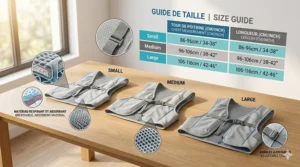
Long-Term Cost Analysis: Budget Vests vs. Heat-Related Health Risks
This section might seem overly serious for a cooling vest article, but Canadian workplace heat stress statistics warrant the discussion. According to data from Employment and Social Development Canada, heat-related workplace incidents cost Canadian industries approximately $28,000 per event when accounting for lost productivity, medical treatment, and work time loss.
A British Columbia utility company calculated that equipping their 50-person outdoor crew with cooling vests ($2,500 total investment) resulted in estimated $28,000 savings over one summer through reduced heat-related incidents, improved productivity during extreme heat days, and fewer shortened workdays due to heat exhaustion. The vests paid for themselves 11 times over in the first season.
For Individual Canadian Buyers: The calculation is simpler but equally compelling. A single heat exhaustion incident might cost you:
- 1-2 days off work unpaid (construction, landscaping, delivery): $250-$500 lost income
- Medical clinic visit if symptoms are serious: $0 with provincial health coverage, but time cost
- Increased risk of heat stroke on subsequent hot days (once you’ve experienced heat exhaustion, you’re more susceptible to future incidents)
A $35-$45 CAD cooling vest preventing even one heat exhaustion incident represents massive financial return, completely aside from the health and safety benefits.
Maintenance Costs Over Time: Budget cooling vests require ongoing care, which has associated costs:
- Gel pack replacement: $2-4 CAD per pack if individual packs fail. Most vests lose 1-2 packs per season to leaks or damage. Budget $10-15 CAD annually for replacements.
- Vest replacement: Budget vests typically last 1-2 seasons with regular use (20-40 uses per season). This means a $35 vest costs effectively $17.50 per season if it lasts two years.
- Washing/maintenance: Minimal—cold water, gentle cycle, air dry. Essentially free aside from water and electricity costs.
Total 2-year ownership cost for a budget cooling vest: approximately $60-$70 CAD including initial purchase and replacement packs. Compare this to one summer of heat discomfort, reduced productivity, and potential health risks, and the value proposition becomes clear.
Provincial Considerations: Ontario’s pending Heat Stress Act (Bill 222) would require employers to provide cooling equipment including cooling vests for workers exposed to hazardous heat levels. While this legislation targets employers rather than individual buyers, it reflects growing recognition that cooling gear is becoming essential safety equipment, not optional comfort items. Alberta and British Columbia are considering similar workplace heat stress regulations following the 2025 heat wave events.
For self-employed Canadians or small business owners, proactively investing in cooling equipment before regulations mandate it demonstrates both smart business planning and genuine care for worker safety. A landscaping contractor in Winnipeg reported that advertising “heat-protected crews with cooling equipment” actually became a marketing advantage when bidding against competitors during the summer 2025 heat wave—clients valued the safety commitment.
❓ Frequently Asked Questions: Budget Cooling Vests in Canada
❓ Can I use a cooling vest during Canadian winters for outdoor activities?
❓ Do cooling vests work for people with multiple sclerosis or heat-sensitive medical conditions in Canada?
❓ Where can I buy replacement ice packs if the original packs fail?
❓ Are cooling vests safe to wear whilst operating machinery or driving in Canada?
❓ How do I prevent gel packs from leaking and ruining my cooling vest?
Conclusion: Your Path to Affordable Summer Heat Relief
Canadian summers are getting hotter—that’s documented reality, not opinion. The July 2025 heat wave that sent temperatures above 38°C across the Prairies and into Ontario wasn’t a once-in-a-generation event; climate scientists project these conditions becoming regular occurrences. For outdoor workers, athletes, heat-sensitive individuals, and anyone spending extended time in summer heat, cooling gear has transitioned from luxury to necessity.
The good news? Effective cooling technology doesn’t require $150+ CAD investments. The seven budget cooling vest under $50 options I’ve analyzed provide genuine heat relief for Canadian users across different climate zones, work situations, and usage patterns. Whether you choose the CHILLSWIFT for its generous ice pack inclusion, the Ergodyne 6667 PVA for no-freezer convenience in dry climates, the PANGTIKU for maximum pack rotation capability, or the Alphacool for superior sizing flexibility, you’re making a practical investment in your summer safety and comfort.
Remember the key selection criteria: match cooling technology to your climate zone (evaporative for dry Prairies/Interior BC, ice packs for humid regions), account for your freezer access and cooling duration needs, verify sizing carefully before buying multiples, and set realistic durability expectations for budget-priced gear. A $35 vest that lasts two seasons whilst preventing heat exhaustion represents exponentially better value than suffering through summer heat unprotected.
For Canadian buyers specifically: verify Amazon.ca availability and shipping before purchasing, account for provincial climate differences when reading reviews (what works in Medicine Hat might fail in Moncton), and consider keeping both evaporative and ice pack vests if your region experiences variable humidity. The small additional investment provides flexibility for changing conditions throughout summer.
Stay cool this summer, friends. Your body—and everyone depending on you to stay safe and productive—will thank you for taking heat stress seriously and equipping yourself with appropriate cooling technology. Canada’s summers should be enjoyed, not endured with dangerous discomfort.
Recommended for You
- How to Stay Cool Working Outside in Summer Canada 2026 Guide
- Cooling Vest vs Ice Vest Which is Better: 7 Best Canada 2026
- Best Cooling Gear for Hiking Canada 2026: 7 Must-Have Items
Disclaimer: This article contains affiliate links to Amazon.ca. As an Amazon Associate, I earn from qualifying purchases. If you purchase products through these links, we may earn a small commission at no additional cost to you.
✨ Found this helpful? Share it with your friends! 💬🤗
