
In This Article
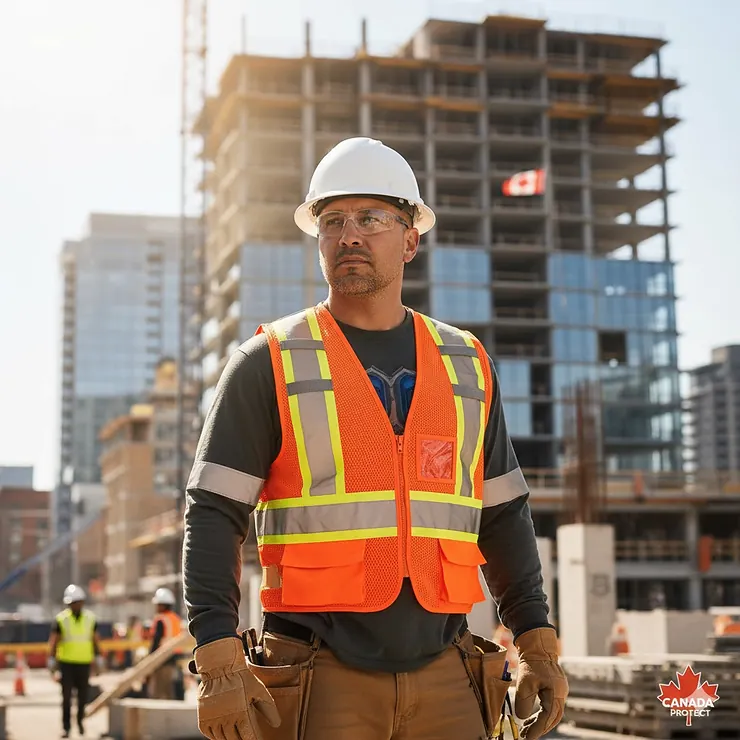
Picture this: You’re working construction on a sweltering July day in Toronto, and the humidex is pushing 40°C. Your safety vest feels like a wet blanket, but you can’t take it off because visibility requirements aren’t optional. Sound familiar? You’re definitely not alone.
Here’s the thing most Canadian workers don’t realize – you can stay both cool and compliant. A high visibility cooling vest isn’t just about comfort; it’s about preventing heat-related illnesses that send hundreds of workers to emergency rooms every summer. According to Health Canada, heat stress is a serious occupational hazard that can lead to heat exhaustion, heat stroke, and even death when proper cooling measures aren’t in place.
The Canadian construction, roadwork, and industrial sectors face unique challenges. We’re dealing with CSA Z96 visibility standards, provincial regulations that vary from BC to Nova Scotia, and temperature swings that can feel like 45°C during peak summer months. Traditional high-vis vests? They trap heat like nobody’s business.
This guide cuts through the confusion. I’ve researched products actually available on Amazon.ca, verified Canadian pricing, and broken down which cooling technologies work best for different job conditions. Whether you’re laying asphalt in Edmonton or directing traffic in Montreal, you’ll find options that meet both safety standards and your budget.
Quick Comparison Table: Top High Visibility Cooling Vests
| Product | Cooling Type | CSA/ANSI Rating | Cooling Duration | Price (CAD) | Best For |
|---|---|---|---|---|---|
| Cooling Safety Vest with 20 Ice Packs | Phase Change (Ice) | ANSI Class 2 | 4-6 hours | $45-$65 | Heavy construction |
| PIP EZ-Cool Flash Vest | Evaporative | ANSI Class 2 Type R | 5-10 hours | $85-$110 | Road work, traffic control |
| TechNiche Phase Change Vest 6626 | Phase Change (PCM) | Non-ANSI | 2-4 hours | $180-$220 | All-day comfort |
| NJDGF Cooling Vest with Ice Packs | Ice Pack System | ANSI Class 2 Type R | 5-8 hours | $55-$75 | Budget-conscious workers |
| Glacier Tek High-Vis Vest | Phase Change Gel | Non-certified | 2.5 hours | $160-$190 | Outdoor maintenance |
| Bullhead Premium Evaporative Vest | Evaporative Polymer | ANSI Class 2 Type R | 3-5 hours | $70-$95 | Municipal workers |
| Icy Wrap Phase Change Vest | NASA PCM Technology | Non-ANSI | 5-10 hours | $90-$125 | Industrial settings |
✨ Don’t Miss These Exclusive Deals!
🔍 Take your workplace safety to the next level with these carefully selected products available in Canada. Click on any highlighted item to check current pricing and availability on Amazon.ca. These tools will help you create authentic heat stress prevention your crew will appreciate!
Top 7 High Visibility Cooling Vests: Expert Analysis
1. Cooling Safety Vest with 20 Ice Packs (Budget Champion)
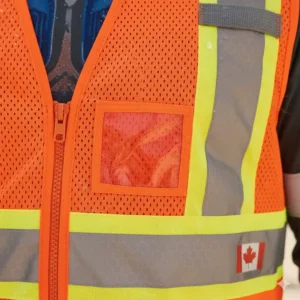
This versatile Cooling Safety Vest with 20 Ice Packs strikes an impressive balance between affordability and functionality for Canadian construction crews. With four 2-inch reflective strips covering chest, waist, shoulders, and back, it meets ANSI/ISEA 107 Class 2 Type R standards – which aligns closely with CSA Z96 requirements that many provinces mandate.
Key Specifications:
- 100% polyester high-visibility material with fluorescent yellow-green colour
- Six waterproof ice pack pockets (2 front, 4 back)
- Includes 20 self-absorbing gel ice packs
- Multiple front pockets with velcro closure
The cooling system is refreshingly straightforward – soak the gel packs for 3-5 minutes, freeze for 4-6 hours, and slip them into the waterproof pockets. Canadian buyers report getting 4-6 hours of cooling relief, which covers most standard shifts. One reviewer from Alberta mentioned using it during pipeline work in 35°C heat and staying comfortable throughout the day.
✅ Pros: Excellent value, easy ice pack replacement, machine washable, meets ANSI standards
✅ Pros: Comprehensive pocket system for tools and devices
✅ Pros: Long cooling duration compared to price point
❌ Cons: Ice packs require freezer access
❌ Cons: Slightly bulky when fully loaded
Canadian Price Range: $45-$65 CAD
Best For: Construction workers, road crews, and anyone needing extended cooling on a budget
2. PIP EZ-Cool Flash High Visibility Cooling Vest (Professional Grade)
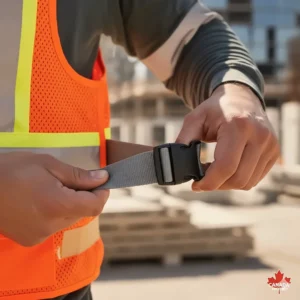
The PIP EZ-Cool Flash represents professional-grade cooling technology that’s earned respect on Canadian job sites from Vancouver to Halifax. This isn’t your basic safety vest – it’s engineered with HyperKewl™ cooling fabric that activates with water and maintains cooling for 5-10 hours depending on ambient conditions.
Key Specifications:
- ANSI/ISEA 107 Type R Class 2 certified
- 2-inch silver reflective tape in compliance pattern
- HyperKewl™ inner cooling fabric with water repellent nylon liner
- Available sizes: S/M through 4XL/5XL
What sets this vest apart is the cooling technology. Simply immerse it in water for 1-2 minutes, and the multi-layer fabric absorbs and stores water within its structure. As the water evaporates, it cools your body by 15-20 degrees from ambient temperature. No freezing required, no ice packs to manage – perfect for remote job sites where freezer access is limited.
Canadian construction supervisors appreciate that it meets Type R requirements, which are specified in many provincial regulations. The vest provides uniform cooling without the “swelling and slime effect” that cheaper evaporative vests sometimes produce.
✅ Pros: No freezer needed, extended cooling duration, professional certification
✅ Pros: Effective in dry Canadian prairie climates
✅ Pros: Three functional pockets for work essentials
❌ Cons: Less effective in humid conditions
❌ Cons: Hand wash only requirement
Canadian Price Range: $85-$110 CAD
Best For: Road construction, traffic control, survey crews working in remote locations
3. TechNiche Phase Change Cooling Vest 6626 (Premium Comfort)
For workers who spend full shifts in heat, the TechNiche Phase Change Cooling Vest 6626 offers a different approach. This premium option uses CoolPax™ Phase Change Material (PCM) technology – the same science NASA developed for astronauts. Instead of water evaporation or melting ice, PCM maintains a consistent 14°C (58°F) temperature as it transitions from solid to liquid.
Key Specifications:
- Eight CoolPax™ cooling inserts included
- Zipper front with cotton construction
- Lightweight at under 2 kg when loaded
- Reusable cooling packs
The cooling packs freeze at 14°C, which means they can be activated in a regular freezer, cooler with ice, or even cold tap water in some conditions. Once activated, they provide 2-4 hours of consistent cooling that doesn’t fluctuate as dramatically as ice packs. Several Canadian buyers mention using spare pack sets (sold separately) to extend coverage for 8-10 hour shifts.
One downside for high-risk environments: this vest doesn’t carry ANSI or CSA certification for high visibility. You’d need to wear it under a compliant safety vest, which some workers find adds bulk. However, for indoor industrial settings where visibility standards are less stringent, it’s an excellent choice.
✅ Pros: Consistent temperature maintenance, NASA-proven technology
✅ Pros: Can be cooled without freezer
✅ Pros: Comfortable cotton construction
❌ Cons: No high-visibility certification
❌ Cons: Higher initial investment
❌ Cons: Shorter duration than some competitors
Canadian Price Range: $180-$220 CAD
Best For: Indoor industrial workers, warehouse operations, or layering under certified hi-vis gear
4. NJDGF Cooling Vest with Multiple Ice Packs (Best Value with Compliance)
The NJDGF Cooling Vest has become a go-to choice for Canadian workers who need certified protection without breaking the bank. This company has been refining their design since 2015, and it shows in the thoughtful details that matter on actual job sites.
Key Specifications:
- ANSI/ISEA 107 Class 2 Type R compliant
- 2-inch reflective strips with 360° coverage
- Fluorescent green material with high tear strength
- Built-in six ice pack pockets
The ice pack system includes 20 gel packs, giving you plenty of spares for rotation. Canadian buyers particularly appreciate the multiple pocket configuration – velcro clamshell closures on front pockets make accessing your phone or intercom easy even with gloves on. The material has passed colour fastness and tear strength testing, holding up well to repeated machine washing.
One reviewer from Saskatchewan mentioned using this vest during summer road repair work, noting that the reflective strips remained bright and effective even after a full season of use and weekly washing. The visible distance rating of up to 300 metres exceeds what most provincial regulations require.
✅ Pros: Excellent price-to-performance ratio
✅ Pros: Generous ice pack supply (20 included)
✅ Pros: Durable construction holds up to job site abuse
❌ Cons: Sizing runs small (order one size up)
❌ Cons: Ice packs need 4-6 hour freeze time
Canadian Price Range: $55-$75 CAD
Best For: Municipal workers, utility crews, construction teams on tight budgets
5. Glacier Tek High-Visibility Phase Change Vest (Premium Performance)
The Glacier Tek High-Visibility vest represents the upper tier of cooling technology available to Canadian workers. This isn’t just a safety vest with ice packs thrown in – it’s a precision-engineered cooling system that happens to include high-visibility features.
Key Specifications:
- Neon colour with reflective strips
- Eight large GlacierPack cooling inserts
- Adjustable straps fit chest sizes 30-46 inches
- Total weight under 2.3 kg (5 lbs) fully loaded
The GlacierPacks use phase change material that maintains 14°C for up to 2.5 hours. What makes this system special is the ability to use either one or two packs per pocket – giving you flexibility based on conditions. Working in moderate heat? Use one pack per pocket and reduce weight. Extreme conditions? Load it fully for maximum cooling.
Canadian buyers, particularly older workers or those with medical conditions like hyperthyroidism, report significant improvements in their ability to work comfortably. One 65-year-old woman from Ontario mentioned being able to walk 30 minutes in 32°C+ weather, whereas previously she couldn’t tolerate 10 minutes.
The main limitation is high-visibility certification – while it includes neon colour and reflective strips, it’s not ANSI or CSA certified. For construction sites with strict compliance requirements, you may need additional certified gear.
✅ Pros: Adjustable cooling capacity (use 4 or 8 packs)
✅ Pros: Lightweight even when fully loaded
✅ Pros: Spare pack sets available for extended shifts
❌ Cons: Limited to one size (though adjustable)
❌ Cons: No formal safety certification
❌ Cons: Higher price point
Canadian Price Range: $160-$190 CAD
Best For: Mascot performers, outdoor event staff, grounds maintenance, workers with heat sensitivity

6. Bullhead Safety Premium High-Visibility Evaporative Cooling Vest (Professional Standard)
The Bullhead Safety Premium vest delivers exactly what its name promises – premium construction meeting professional safety standards. Manufactured by Globus Global Safety, this vest combines CSA Z96-09 compliance with effective evaporative cooling technology.
Key Specifications:
- Meets ANSI/ISEA 107-2020 Class 2 Type R standards
- High-visibility yellow/green with silver reflective material
- Proprietary cooling polymers in multi-layer construction
- Microphone tabs on shoulders, zipper closure
The cooling system uses proprietary polymers that absorb, store, and release water within the multi-layered fabric. Activation takes 2-5 minutes of soaking in cool water, then you blot out excess and enjoy several hours of cooling relief. The blue nylon interior wicks moisture away from your skin while the outer layer maintains visibility compliance.
Canadian supervisors appreciate the mic tabs – essential for workers using two-way radios on construction sites. The zipper closure is more secure than velcro during active work, though it means you can’t do the quick tear-away some emergency protocols require. Each vest comes individually packaged, making it easy for companies to issue as part of standard PPE kits.
✅ Pros: Full ANSI/ISEA 107-2020 compliance
✅ Pros: Extended cooling comfort through heat stress prevention
✅ Pros: Practical features like mic tabs for radio users
❌ Cons: Requires water source for activation
❌ Cons: No breakaway feature for entanglement hazards
❌ Cons: Mid-tier pricing
Canadian Price Range: $70-$95 CAD
Best For: Municipal workers, utilities, telecommunications, survey crews
7. Icy Wrap Phase Change Cooling Vest (Technology Leader)
The Icy Wrap Phase Change Cooling Vest brings NASA-developed PCM (phase-change material) technology to Canadian workers at a reasonable price point. This vest uses the same cooling science that keeps astronauts comfortable in extreme conditions, adapted for terrestrial job sites.
Key Specifications:
- 30 high-tech PCM cooling packs included
- Breathable moisture-permeable composite fabric
- Adjustable V-neck design for one-size-fits-most
- Quick freeze capability (30 minutes to 3 hours)
The phase change material rapidly cools body surface temperature and maintains that cooling for 5-10 hours depending on activity level and ambient temperature. Unlike traditional ice packs that quickly warm up, PCM maintains its temperature as it transitions from solid to liquid. According to testing, the somatosensory temperature decreases by 3-5°C after wearing this vest.
Canadian industrial workers particularly value the quick freeze feature – you can cool the packs in a standard freezer (faster) or even just the ice pack sheet (convenient for field work). The lightweight design works well for athletics too; several Canadian buyers mention using it for summer training sessions or long-distance cycling.
The trade-off is visibility certification. This vest doesn’t include high-visibility colours or reflective strips, so it’s not suitable as standalone PPE on construction sites. However, it layers well under a mesh hi-vis vest when you need both cooling and compliance.
✅ Pros: Extended 5-10 hour cooling duration
✅ Pros: NASA-proven technology at accessible price
✅ Pros: Versatile for work and athletic applications
❌ Cons: No high-visibility safety certification
❌ Cons: Must layer with compliant vest for construction use
❌ Cons: One size may not fit all body types
Canadian Price Range: $90-$125 CAD
Best For: Industrial settings, warehouse operations, athletics, or layering under safety gear
Understanding CSA Z96 High-Visibility Standards in Canada
Canadian workers need to understand that high visibility safety apparel (HVSA) requirements aren’t just suggestions – they’re often legally mandated under provincial occupational health and safety regulations. The CSA Z96-22 standard is the fourth edition of Canada’s National Standard for high-visibility safety apparel, designed to be in technical harmony with both ANSI/ISEA 107 and ISO 20471.
Three Classes of Protection
CSA Z96 establishes three classes of garments based on body coverage of bright or fluorescent materials. Class 1 provides the lowest recognized coverage with good visibility, suitable for workers in parking areas or warehouses. Class 2 offers moderate body coverage with superior visibility, required for most construction and roadwork applications. Class 3 provides the greatest coverage and visibility under poor light conditions and at great distance – essential for highway work or workers frequently exposed to traffic exceeding 80 km/h.
The standard also specifies three performance levels for retroreflective materials. All classes require a signature striping pattern including two vertical stripes on the front, a horizontal stripe encircling the waist, and an X pattern on the back. This distinctive pattern helps indicate which direction a worker is facing, even in low light or at distance.
Provincial Variations Across Canada
Here’s where it gets interesting for Canadian workers – while CSA Z96 is the national standard, provinces enforce it differently. Manitoba and British Columbia make CSA Z96 compliance mandatory for specific work environments. Ontario’s Regulation 213/91 requires fluorescent blaze orange or international orange garments with specific reflective striping patterns, though the ministry accepts CSA Z96-compliant apparel as meeting these requirements.
Quebec mandates Class 3 gear for underground mine workers and Class 2 or 3 for surface mining operations. In the Atlantic provinces, requirements align with CSA Z96 but emphasize local industry needs. Nova Scotia’s offshore regulations specifically mandate HVSA conforming to CSA Z96 for workers near moving equipment.
Balancing Cooling and Compliance
This is where many workers get confused – can you add cooling technology to a certified high-vis vest and maintain certification? The short answer: it depends on the design. Vests that integrate cooling features while maintaining the required minimum areas of fluorescent material and proper reflective tape placement can remain compliant. However, adding bulky ice pack vests over certified gear may obscure required visibility elements.
Your safest approach is choosing vests specifically designed and certified as both cooling and high-visibility apparel, or consulting with your safety officer about layering options that maintain compliance. The Canadian Centre for Occupational Health and Safety (CCOHS) provides detailed guidance on HVSA requirements that’s worth reviewing.
How Cooling Vest Technology Actually Works
Understanding the science behind cooling vests helps you choose the right type for Canadian conditions. There are three main technologies available, and each has specific advantages depending on your work environment and provincial climate.
Evaporative Cooling Systems
Evaporative vests like the PIP EZ-Cool use special polymers or fabrics that absorb water and release it slowly through evaporation. As water evaporates from the vest’s surface, it draws heat away from your body – the same principle that makes sweating effective. These vests typically cool your body temperature 15-20 degrees below ambient temperature.
The big advantage for Canadian workers is convenience – no freezer needed, just water. They work exceptionally well in dry climates like Alberta and Saskatchewan, where low humidity accelerates evaporation. However, they’re less effective in humid regions like southern Ontario or coastal British Columbia during muggy summer days. According to Canada.ca workplace thermal stress guidelines, evaporative cooling is one of several engineering controls recommended for reducing heat stress.
Phase Change Material (PCM) Technology
Phase change vests like TechNiche and Glacier Tek use materials that absorb heat as they transition from solid to liquid at specific temperatures – typically around 14-15°C. This NASA-developed technology maintains consistent cooling rather than starting cold and gradually warming like ice.
The benefit is stable temperature throughout the cooling period. Traditional ice packs might be uncomfortably cold initially then warm up too quickly. PCM maintains that “just right” cooling zone for 2-4 hours per activation. Canadian workers in industrial settings appreciate being able to reactivate packs in coolers without full freezing capability.
Traditional Ice Pack Systems
The most straightforward approach uses gel packs or ice cells that freeze solid, then slowly melt to absorb body heat. Vests like the NJDGF and various Amazon.ca options use this tried-and-true method. You get immediate, intense cooling – ideal for extreme heat conditions.
The limitation is infrastructure – you need freezer access to prepare packs. For construction sites, this means either bringing a cooler with frozen packs from home or having site facilities. Many Canadian companies solve this by rotating pack sets, keeping spares in jobsite freezers or coolers. The trade-off of requiring prep time is offset by lower costs and reliable performance.
Workplace Heat Stress: Canadian Regulations and Reality
Heat stress isn’t just uncomfortable – it’s a serious occupational hazard that Canadian regulations increasingly address. Understanding the requirements helps you justify cooling vest investments to supervisors and ensure proper workplace protections.
Federal and Provincial Requirements
At the federal level, Employment and Social Development Canada addresses thermal stress through the Canada Labour Code Part II. Part X, section 10.19 requires employers to develop and implement procedures for monitoring and controlling thermal stress, including both administrative and engineering controls.
Engineering controls include cooling stations, ventilation, shields, and – specifically mentioned – cooling vests or jackets with space for ice packs. This isn’t optional language; employers must implement these controls where workers face thermal stress hazards.
Provincial regulations vary significantly. Ontario’s Occupational Health and Safety Act requires employers to take “every reasonable precaution” to protect workers from heat stress, including providing cooling equipment when needed. British Columbia, Alberta, and other provinces adopt similar general duty requirements, though specifics differ. Many provinces reference the American Conference of Governmental Industrial Hygienists’ (ACGIH) Threshold Limit Values as guidelines for acceptable heat exposure.
The WBGT Index and Your Workload
Wet Bulb Globe Temperature (WBGT) is the standard measure for heat stress risk. It considers air temperature, humidity, radiant heat, and air movement to produce a single number indicating heat load. Many Canadian jurisdictions require WBGT monitoring when certain temperature thresholds are exceeded.
Here’s what matters for workers: at WBGT levels above 28°C for moderate work or 26°C for heavy work, controls become necessary. A cooling vest can be the difference between maintaining safe work schedules and implementing extensive work-rest cycles that reduce productivity and increase project costs. Construction supervisors increasingly view cooling vests not as luxury items but as essential safety equipment that keeps projects on schedule while protecting worker health.
Heat Illness: Prevention and Recognition
According to CCOHS guidelines, heat stress can progress from minor discomfort to life-threatening emergencies quickly. Heat rash causes discomfort and productivity loss. Heat cramps signal electrolyte imbalance from excessive sweating. Heat exhaustion brings nausea, dizziness, and weakness. Heat stroke – the most serious – involves confusion, loss of consciousness, and can be fatal without immediate medical intervention.
Cooling vests address this progression by maintaining core body temperature below dangerous thresholds. Canadian workers report that wearing cooling vests reduces subjective thermal stress, decreases heart rate elevation, and allows sustained work capacity during peak heat periods. These aren’t just comfort improvements – they’re measurable safety enhancements.
Selecting the Right Cooling Vest for Canadian Climates
Canada’s diverse climate zones mean the “best” cooling vest varies depending on where you work. A vest perfect for July in Regina might underperform in August humidity in Halifax. Here’s how to match technology to your regional conditions.
Prairie Provinces: Dry Heat Advantage
Alberta, Saskatchewan, and Manitoba experience hot, dry summers where temperatures can exceed 35°C but humidity remains relatively low. This is ideal territory for evaporative cooling vests. The PIP EZ-Cool and Bullhead evaporative models work exceptionally well here – the dry air accelerates evaporation, maximizing cooling efficiency and duration.
Workers report that evaporative vests can maintain cooling for 8-10 hours on prairie job sites, significantly longer than in humid regions. The convenience factor is huge – just refill with water from any source, no freezer needed. For remote construction sites, survey crews, or pipeline work where infrastructure is limited, evaporative technology makes practical sense.
Ontario and Quebec: Humidity Challenges
The Great Lakes region and St. Lawrence Valley face high humidity during summer heat waves. When the humidex pushes 40+, evaporative cooling becomes less effective because saturated air slows evaporation. This is where ice pack and PCM vests shine.
The NJDGF ice pack vest and similar models provide reliable cooling regardless of humidity. Yes, you need freezer access, but most construction sites and industrial facilities in these populated provinces have this infrastructure. Municipal workers can prepare packs at facility bases before heading to job sites. The consistent cooling performance justifies the extra preparation.
PCM vests like TechNiche offer a middle ground – they require cooling but work in any humidity level, and can be activated in coolers without full freezing. Several Ontario construction companies report success rotating PCM pack sets to cover full shifts.
British Columbia: Coastal vs Interior
BC’s climate diversity means workers need to think regionally. Coastal areas around Vancouver experience mild temperatures with high humidity – similar cooling challenges to Ontario. Interior regions like the Okanagan face dry heat more like the prairies. Northern BC sees moderate temperatures even in summer, with less need for aggressive cooling.
Coastal BC workers should prioritize ice pack or PCM systems. Interior workers can take advantage of evaporative technology. Always check your specific microclimate – construction in the Fraser Valley differs significantly from roadwork in the Cariboo.
Atlantic Provinces: Maritime Moderation
The Maritimes generally see more moderate summer temperatures than central Canada, but high humidity can still create heat stress conditions, especially during late July and August. Ice pack vests provide reliable performance, while evaporative models work during drier periods.
Atlantic workers should consider versatility – having both a primary cooling vest and a backup system using different technology. A $60 ice pack vest plus a $90 evaporative vest covers all conditions for less than one premium model, and you can choose daily based on weather forecasts.

Budget Planning: Cooling Vests as Safety Investments
When I talk to Canadian construction supervisors about cooling vest costs, I often hear “That seems expensive for a vest.” Here’s how to reframe that conversation using actual Canadian data and regulations.
Direct Cost Analysis
Budget cooling vests start around $45-$65 CAD for basic ice pack models like the NJDGF or generic Amazon.ca options. Mid-range professional vests like the PIP EZ-Cool or Bullhead run $70-$110 CAD. Premium PCM systems reach $160-$220 CAD. That’s the upfront investment.
Now consider replacement costs. A quality cooling vest lasts 2-3 seasons with proper care. Amortized over three summers of use, even a premium $200 vest costs about $67 per year, or roughly $0.27 per work day assuming 250 workdays annually. Compare that to the cost of heat-related incidents.
Hidden Costs of Heat Stress
WorkSafeBC and other provincial workers’ compensation boards track heat-related workplace injuries. A heat exhaustion incident requiring first aid and work stoppage costs productivity immediately – crew downtime while assisting the affected worker, potential delays to project timeline, supervisory time for incident reporting.
If medical treatment is required, workers’ compensation claims in Canada average thousands of dollars when considering medical costs, wage loss, and administrative burden. A single heat stroke incident can result in tens of thousands in claims costs, plus potential regulatory penalties if investigations reveal inadequate heat stress controls.
From a pure risk management perspective, equipping workers with $75 cooling vests is incredibly cost-effective insurance. Many progressive Canadian construction companies now include cooling vests in standard summer PPE issue, treating them as essential as hard hats rather than optional comfort items.
Tax and Regulatory Considerations
Canadian employers can claim cooling vests as tax-deductible safety equipment expenses. They’re legitimate PPE required for workplace safety compliance. Additionally, some provinces offer incentive programs for companies implementing enhanced safety measures – check with your provincial labour board about available programs.
Meeting or exceeding regulatory requirements also reduces liability exposure. If a heat stress incident occurs and investigation shows the employer provided appropriate cooling equipment, it demonstrates due diligence. Conversely, failing to provide readily available safety equipment can strengthen worker claims and increase penalties.
Bulk Purchase Advantages
If you’re equipping a crew, bulk purchasing from suppliers can reduce per-unit costs. Amazon.ca offers quantity discounts on many models. Some Canadian industrial suppliers provide additional discounts for company accounts. For a construction company with 20 workers, investing $1,000-$1,500 in quality cooling vests provides comprehensive heat stress protection for multiple seasons.
Proper Use and Maintenance for Canadian Conditions
I’ve seen too many cooling vests fail prematurely because workers didn’t understand proper care – particularly relevant in Canada where our dramatic seasonal temperature swings affect storage and longevity.
Activation and Use Guidelines
For ice pack vests, freeze gel packs for 4-6 hours minimum before use. Many Canadian workers freeze packs overnight for morning shift use. If you’re working extended shifts, prepare double the packs and rotate – bring a cooler to the job site with spare frozen packs to swap out at break times.
Evaporative vests need complete saturation for maximum effectiveness. Don’t just spray them with water – fully submerge for 1-2 minutes. Canadian tap water works fine; you don’t need distilled water or additives. After saturation, gently squeeze out excess water (don’t wring aggressively, which can damage the cooling polymers).
PCM vests require cooling to the activation temperature – typically 14-15°C. A standard freezer works, but these vests can also be activated in refrigerators, cold water, or even coolers with ice. This flexibility matters for Canadian job sites where full freezing isn’t always practical.
Cleaning and Storage
Most cooling vests are machine washable, but check manufacturer guidelines. Ice pack vests can typically be machine washed on gentle cycle with the packs removed. Evaporative vests usually require hand washing or delicate machine cycle to preserve cooling fibers. Always air dry – never use heated dryers, which can damage reflective materials and cooling components.
For Canadian workers, end-of-season storage is critical. Clean vests thoroughly before storage to prevent mildew during our long winters. Remove all ice packs and store separately in sealed containers. Store vests in climate-controlled spaces rather than unheated garages or sheds where extreme temperature cycling can degrade materials.
Reflective strips require special care. Canadian winters are harsh on roads, and construction sites use road salt that can contaminate safety gear. Rinse vests after exposure to de-icing chemicals, which can degrade both fabric and reflective materials. The CSA Z96 standard requires reflective materials to maintain performance after care procedures – proper washing preserves this compliance.
Replacement Indicators
Replace cooling vests when reflective strips show significant wear, fading, or peeling. CSA Z96 compliance depends on minimum retroreflective performance, which degrades over time. If strips don’t reflect brightly under headlights or flashlight testing, replacement is necessary for safety compliance.
For cooling function, replace when ice pack pockets tear or zipper closures fail repeatedly. Evaporative vests that no longer provide cooling after proper activation have degraded polymer structures and need replacement. Most quality vests last 2-3 Canadian summers with proper care – budget for replacement accordingly.
Alternative Cooling Technologies for Canadian Workers
While this guide focuses on cooling vests, Canadian workers should know about complementary and alternative cooling technologies that can work alongside or instead of vests depending on circumstances.
Cooling Towels and Neck Wraps
Evaporative cooling towels cost $10-$25 CAD and provide supplementary cooling when worn under safety vests. Arctic Air neck cooling tubes use gel packs specifically for neck cooling, helping reduce core temperature through blood vessels close to the skin surface. Many Canadian workers combine these with lighter cooling vests for maximum effect without excessive bulk.
Powered Air Cooling Systems
Battery-powered cooling vests with built-in fans are emerging technology that’s gaining traction in Canada. These use small rechargeable battery packs to power fans that circulate air next to your skin. Pricing runs $150-$300 CAD, higher than passive cooling but offering consistent performance regardless of humidity or temperature conditions.
The limitation is battery life – typically 4-8 hours on a charge. For full-day shifts, you need extra batteries or charging access. Some Canadian construction sites are installing charging stations specifically for powered cooling equipment, recognizing it as essential safety infrastructure.
Hydration Systems Integration
Several high-end cooling vests include integrated hydration bladder pockets. This makes sense – cooling your skin while maintaining proper hydration addresses heat stress from both angles. According to Health Canada’s extreme heat guidelines, workers should drink approximately 250 ml of cool water every 20 minutes in hot conditions, so having water readily accessible is crucial.
Cooling Stations and Rest Areas
CCOHS and provincial regulations increasingly require designated cooling areas on hot weather work sites. Employers should provide shaded or air-conditioned rest areas where workers can remove cooling vests, recharge them, and recover from heat exposure. Portable cooling tents, misting stations, and dedicated AC trailers are becoming standard on major Canadian construction projects.
Cooling vests work best as part of comprehensive heat stress programs that include proper rest cycles, hydration protocols, and environmental controls. They’re powerful tools but not magic solutions that eliminate the need for other precautions.

❓ Frequently Asked Questions
❓ Do cooling vests actually work in extreme Canadian heat?
❓ What's the difference between CSA Z96 and ANSI/ISEA 107 standards?
❓ How much do quality cooling vests cost in Canada?
❓ Can I wear a cooling vest under my regular safety vest for compliance?
❓ What's the best cooling vest for construction workers in Ontario?
Conclusion: Staying Cool, Visible, and Productive
The Canadian summer heat isn’t getting any milder – climate data shows increasing frequency of extreme heat events across all provinces. For workers in construction, utilities, roadwork, and industrial sectors, this means heat stress is becoming a year-round concern rather than occasional hazard.
High visibility cooling vests solve two critical challenges simultaneously. They maintain the CSA Z96 or ANSI compliance your job site requires while actively preventing heat-related illnesses that endanger health and project timelines. Whether you’re directing traffic in the July sun or laying asphalt in August humidity, the right cooling vest keeps you safe, visible, and productive.
The investment is modest – even premium models cost less than a single workers’ compensation claim or lost productivity day. For individual workers, spending $50-$100 on a quality cooling vest is one of the smartest safety purchases you’ll make. For employers, equipping crews with appropriate cooling PPE demonstrates commitment to worker welfare while reducing liability exposure and meeting regulatory requirements.
Remember that regional climate matters. Prairie workers should prioritize evaporative technology for its convenience and extended duration in dry conditions. Ontario and Quebec workers need ice pack or PCM systems that work regardless of humidity. BC workers should choose based on their specific region’s microclimate. Atlantic workers benefit from versatility, perhaps owning both types for different conditions.
Above all, understand that cooling vests are proven safety equipment, not luxury items. They’re specifically mentioned in federal workplace thermal stress controls and increasingly required by progressive safety programs. Take the step to protect yourself this season – your body will thank you, your family will appreciate you coming home safe, and your employer will benefit from sustained productivity even during heat waves.
Stay cool out there, Canada. 🍁
Recommended for You
- 7 Best Phase Change Cooling Vests Canada 2026
- 7 Best Ice Pack Cooling Vests Canada 2026: Beat Heat Stress
- 7 Best Work Cooling Vests Canada 2026
Disclaimer: This article contains affiliate links to Amazon.ca. If you purchase products through these links, we may earn a small commission at no additional cost to you.
✨ Found this helpful? Share it with your friends! 💬🤗
